Unlocking Business Success in the Logistics, Shipping Centers, and Airport Transportation Sectors
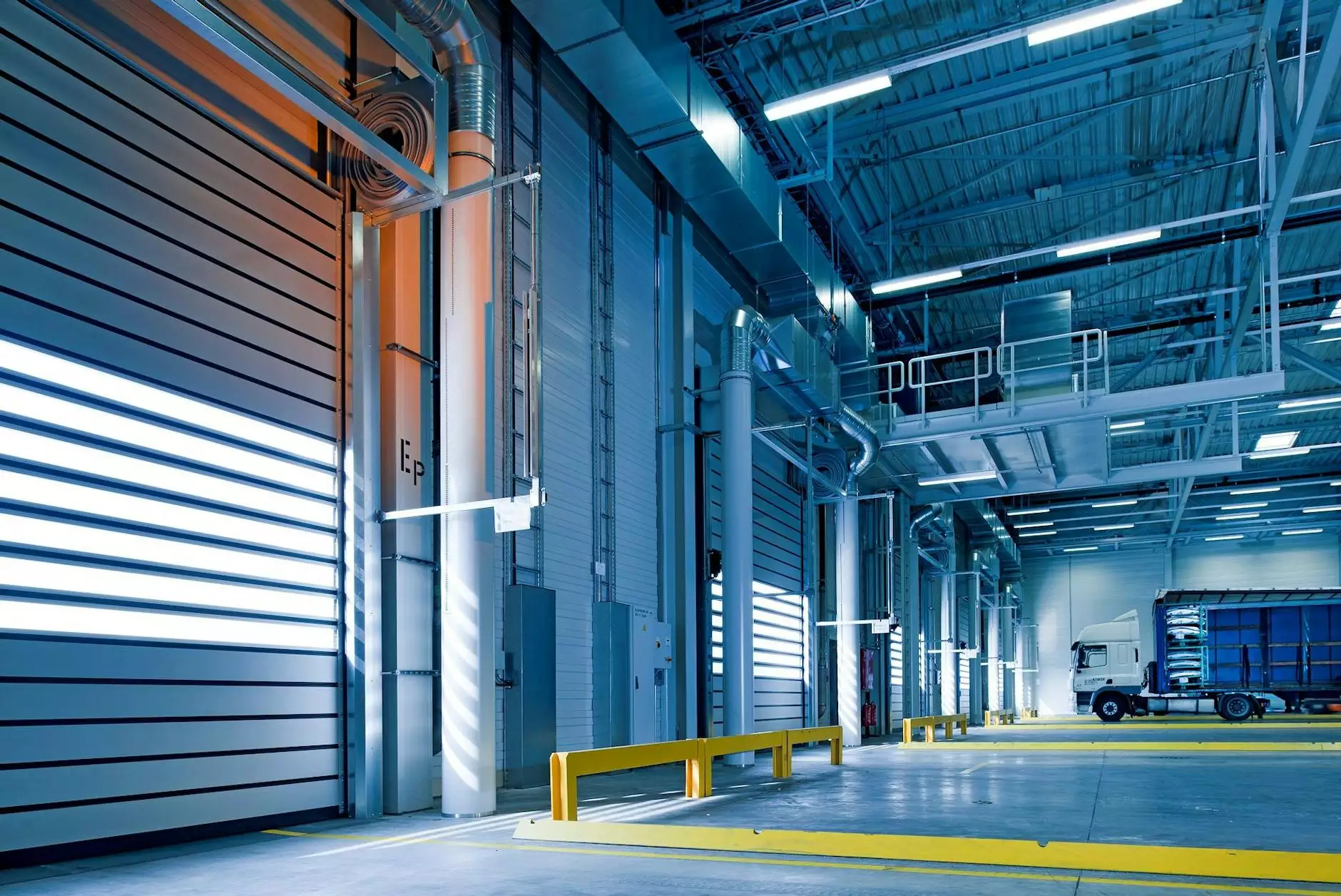
In today’s rapidly evolving global economy, the freight and transportation industry plays an indispensable role in connecting manufacturers, suppliers, and consumers across continents. Business success in this sector relies heavily on technological innovations, strategic planning, and seamless coordination across various touchpoints such as shipping centers, airport logistics, and transportation networks. One of the key components driving efficiency and customer satisfaction is the ability to track and trace shipments with precision and real-time updates. This comprehensive guide explores the critical aspects of thriving in the logistics industry, emphasizing modern solutions that propel businesses ahead of the competition.
Understanding the Modern Logistics Landscape
The logistics industry has transitioned from traditional manual record-keeping to high-tech systems capable of offering end-to-end visibility. As supply chains grow more complex, the demand for reliable tracking, quicker delivery times, and cost-effective solutions skyrockets. Companies investing in advanced tracking systems, optimized shipping centers, and integrated transportation channels gain a competitive advantage.
Role of Shipping Centers in Business Growth
Efficient Operations at Shipping Centers
Shipping centers are the nerve centers of the logistics network. These hubs facilitate consolidation, sorting, and dispatching of goods. An optimized shipping center improves turnaround times, ensures accurate inventory management, and reduces transit errors. Modern facilities leverage automation and technology to streamline operations:
- Automated sorting systems: Rapidly process high volumes of parcels with minimal human intervention.
- Inventory management software: Maintain real-time stock levels and order accuracy.
- Customs and compliance tools: Expedite international shipments with seamless paperwork processing.
Effective management within shipping centers directly correlates with enhanced customer satisfaction and increased profitability, making them a central element of a resilient supply chain.
Transportation Networks: The Backbone of Global Commerce
Integrating Multi-Modal Transportation
Modern businesses rely on diverse transportation modes—including air, sea, road, and rail—to optimize delivery schedules and reduce costs. A well-orchestrated multi-modal approach offers flexibility and resilience:
- Air freight: Fastest option for high-value or urgent cargo.
- Maritime shipping: Cost-effective method ideal for bulky or heavy goods.
- Road transportation: Critical for last-mile delivery within cities and regions.
- Rail transport: Suitable for long-distance shipments across land corridors.
Efficient integration of these modes requires sophisticated logistics planning, leveraging technology such as GPS tracking, route optimization algorithms, and automated dispatch systems, ensuring that shipments reach their destinations promptly and reliably.
The Significance of Airport Logistics in Business Success
Streamlining Air Cargo Operations
Airports are vital nodes in the international logistics network, enabling rapid movement of high-value, perishable, or time-sensitive goods. Efficient airport logistics hinges on:
- Real-time tracking systems: Provide visibility and control over high-volume air cargo.
- Advanced handling equipment: Ensures swift and safe processing of cargo.
- Collaborative customs procedures: Minimize delays during international transfer.
Key to maintaining a competitive edge is leveraging cutting-edge tracking technology—such as the embedded link to track and trace—which allows businesses to monitor shipments in real time, anticipate and resolve potential issues proactively, and deliver superior service quality.
State-of-the-Art Cargo Tracking: A Game Changer
How Advanced Tracking Systems Enhance Business Operations
Implementing a robust cargo tracking system transforms the logistics landscape, offering benefits such as:
- Transparency and visibility: Customers and businesses stay informed about shipment status at all times.
- Improved accuracy: Reduces missed deliveries and enhances inventory planning.
- Proactive problem resolution: Identifies delays or issues early, enabling swift intervention.
The ability to track and trace shipments in real time empowers companies to meet tight deadlines, optimize routing, and enhance customer satisfaction, ultimately leading to increased repeat business and brand loyalty.
Technological Innovations Driving Growth
Automation and Data Analytics
Modern logistics companies integrate automation, IoT devices, and data analytics to streamline operations. Examples include:
- Automated warehousing systems: Speed up packing and sorting operations.
- IoT sensors: Monitor environmental conditions and cargo integrity.
- Predictive analytics: Optimize delivery routes and forecast demand fluctuations.
Advanced data insights enable proactive decision-making, minimizing costs, and increasing throughput — ultimately fostering sustainable growth and competitive advantage in the logistics sector.
Environmental Sustainability and Business Practices
Green Logistics Initiatives
Incorporating eco-friendly practices is no longer optional but essential for contemporary businesses. Strategies include:
- Optimizing routes: Reduces fuel consumption and emissions.
- Green warehousing: Employing energy-efficient facilities and renewable energy sources.
- Eco-friendly packaging: Minimizes waste and carbon footprint.
Adapting sustainable practices not only benefits the environment but also appeals to environmentally conscious consumers, building brand credibility and meeting regulatory requirements.
Enhancing Business Efficiency through Integrated Solutions
Unified Supply Chain Management
Successful businesses leverage integration technologies to coordinate operations across shipping centers, transportation, and airports. This includes:
- Enterprise Resource Planning (ERP) systems: Centralize data for better visibility and decision-making.
- Supply chain management software: Automate order processing, inventory, and logistics planning.
- Customer portals and tracking applications: Enhance transparency and allow clients to monitor shipments at their convenience.
Such integration results in reduced lead times, cost savings, and a superior customer experience, driving business growth and market competitiveness.
Future Trends in Logistics and Transportation
Emerging Technologies and Market Dynamics
The industry continues to innovate with developments like:
- Autonomous vehicles and drones: Revolutionize last-mile delivery.
- Blockchain technology: Ensures secure and transparent transactions.
- Artificial intelligence: Enhances route planning, demand forecasting, and operational efficiency.
Businesses adopting these technologies will position themselves advantageously in a competitive landscape, unlocking new opportunities for growth and customer engagement.
Conclusion: Achieving Business Success with Advanced Logistics Solutions
To thrive in the dynamic world of logistics and transportation, companies must embrace innovative technology, optimize operational efficiency, and maintain a customer-centric approach. The ability to track and trace shipments in real time is a cornerstone of modern supply chain management, providing transparency, reducing delays, and fostering trust with clients.
By investing in sophisticated infrastructure—such as optimized shipping centers, integrated transportation networks, and cutting-edge tracking systems—businesses can streamline their operations, reduce costs, and enhance service quality. The future of logistics lies in continuous innovation, sustainability, and seamless integration across all business facets.
Remember: Success in the logistics and transportation industry hinges on agility, transparency, and technology-driven strategies. Incorporate these principles into your business model today to unlock new growth potential and stay ahead of the competition.
https://cargobooking.aero/track-and-trace